
Specialty coffee: what it is and why it's different
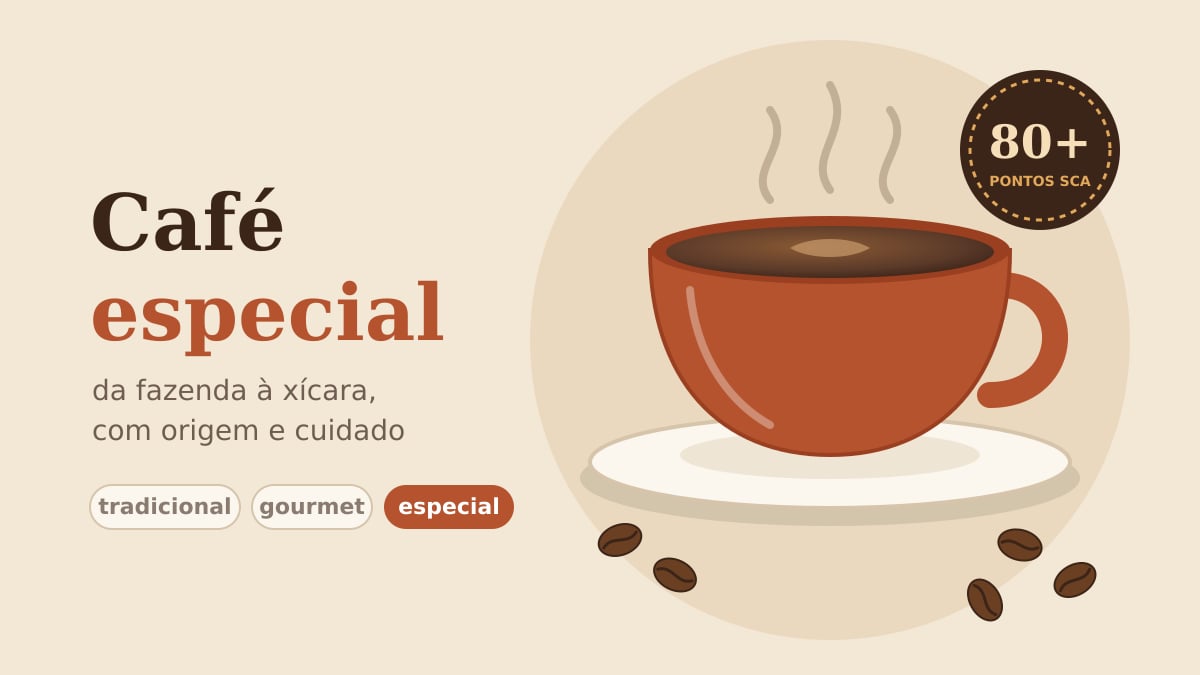
Just like our breads, the coffee at Saron Hub was chosen slowly and carefully. We serve specialty coffee, and many people ask: what does that mean? Isn’t all coffee the same?
What is specialty coffee
Specialty coffee is coffee evaluated by certified tasters following the SCA (Specialty Coffee Association) protocol that scores 80 points or more on a 0–100 scale. The evaluation covers aroma, sweetness, acidity, body, balance and finish. The beans also go through strict selection: the analyzed sample cannot contain serious defects, such as black, sour or insect-damaged beans.
Beyond the score, specialty coffee is traceable. You can know which farm or region it came from, the plant variety, the processing method (natural, washed, honey) and even the altitude where it was grown.
What about traditional coffee?
Traditional coffee is the most common kind in Brazilian supermarkets. It usually blends beans of different origins and qualities, including defective ones, and the law still allows a small percentage of impurities such as husks and sticks. To hide these flaws and make the flavor more uniform, it is normally given a very dark roast. The result is that intense, bitter taste that almost always calls for sugar.
And gourmet?
In Brazil, “gourmet” is one of the categories of the Coffee Quality Program run by ABIC (the Brazilian Coffee Industry Association), which classifies roasted coffee as traditional, extra strong, superior and gourmet. Gourmet is the highest category in that program and already represents a good step up in quality from traditional coffee. But it’s not the same as specialty coffee: the criteria, the scoring scale and the level of traceability are different.
Comparison
| Traditional | Gourmet | Specialty | |
|---|---|---|---|
| Evaluation | ABIC categories | Highest ABIC category | SCA protocol, with certified tasters |
| Bean selection | Allows defective beans and some impurities | More selected beans | Strict, no serious defects |
| Roast | Usually dark, to even out the flavor | Medium to dark | Tailored to each lot to bring out its flavor |
| Origin | Blend of origins, rarely disclosed | Sometimes discloses the region | Farm, variety, process and altitude |
| Flavor | Intensely bitter, little aroma | More balanced | Natural sweetness, pleasant acidity and notes such as chocolate, caramel or fruit |
Why we chose specialty coffee
For the same reason we make bread with natural fermentation: respect for time, for the ingredients and for the person on the other side of the counter. A good coffee doesn’t need sugar to taste great (but feel free, no judgment). It goes perfectly with warm bread and an unhurried conversation.
Tip: try the first sip without sugar and pay attention to the aroma and the aftertaste. You’ll be surprised by how many flavors a coffee can have.
Come and taste it at Saron Hub!